
The Exposure Triangle
Shutter · Aperture · ISO
The moment you understand how these three interact, you can shoot the photo you want in any light. The single most important concept in photography.
The three elements are linked — change one and you need to compensate with the others
All three combined = Exposure (Brightness)
Shutter Speed — Freeze or Blur Time
How long the shutter stays open. Shorter = motion frozen; longer = light trails remain.
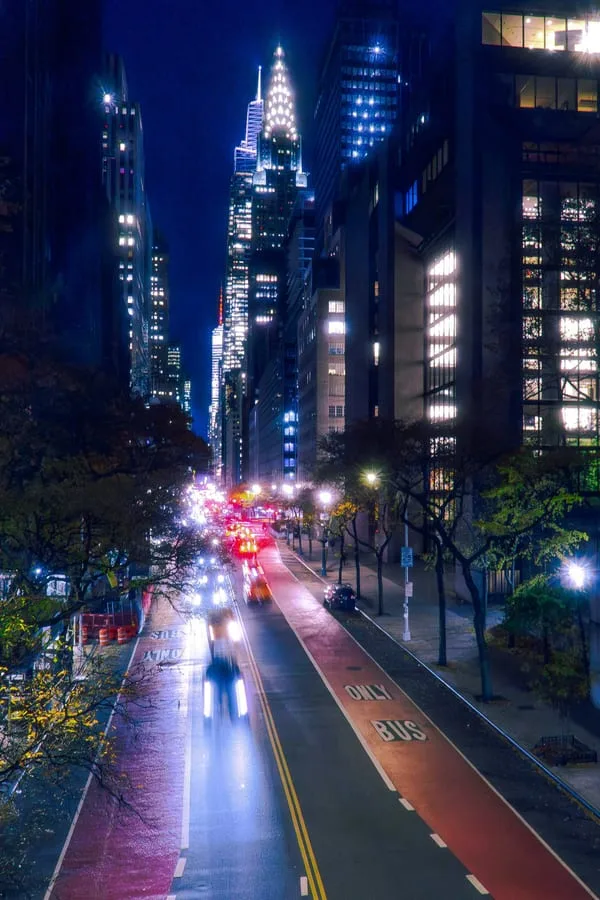
Settings on LCD: M mode · 20s · f/11 · ISO 100 — classic settings for long-exposure night shots
Sports · birds · water spray
Walking people · cars
Watch for camera shake
Night shots · waterfall long-exposure
Safe shutter speed: The reciprocal of your focal length is the guideline. 50mm lens → 1/50s or faster, 200mm → 1/200s or faster. Mirrorless IBIS gives you 2–5 stops of extra margin.
Aperture — Controls Light and Bokeh Simultaneously
Aperture (f-number) is the size of the lens opening. Smaller f-number = larger opening — more light and blurrier background.
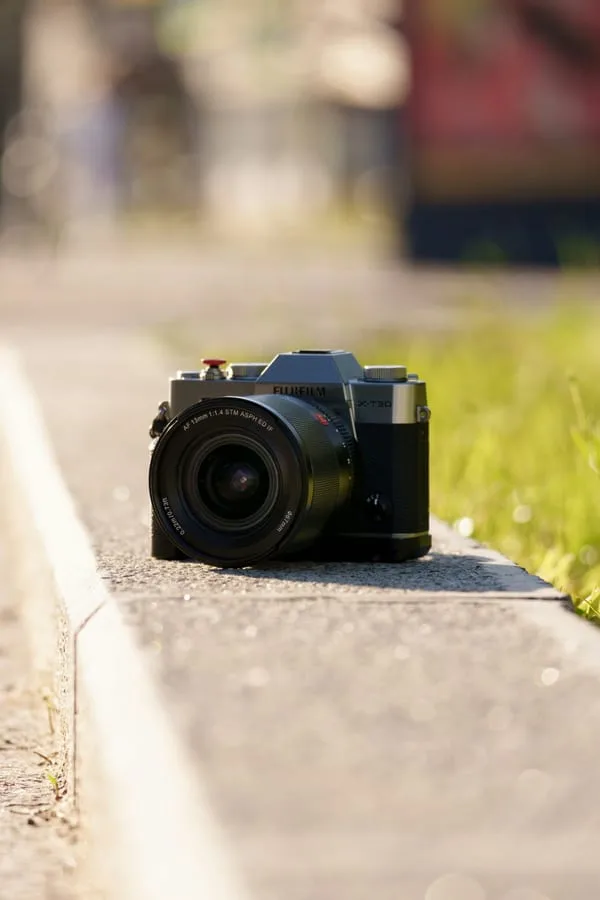
Shooting at wide aperture (f/1.4–f/2) — subject sharp, background smoothly blurred
The f-number paradox: Mathematically, f/1.4 is a much larger opening than f/16. Memorize this one line: 'smaller f = bigger opening = brighter = stronger bokeh'.
ISO — Light Sensitivity, a Trade-off with Noise
Higher ISO lets you shoot in darker environments, but introduces noise (grain) in return. Keep it as low as possible, raise it only as needed.
Using Auto ISO: At the beginner stage, turning on Auto ISO (max 6400) lets you focus just on shutter and aperture. The camera automatically compensates for insufficient light.
In Practice — Balancing the Three Elements
There are countless combinations that produce the same brightness (exposure). You choose the combination based on your creative intention.
Portrait (outdoor daytime)
Shutter
1/250s
Aperture
f/2.0
ISO
ISO 200
Open aperture for bokeh → brightens so raise shutter to balance
Night long-exposure
Shutter
10s
Aperture
f/8
ISO
ISO 100
Long shutter → tripod essential, lower ISO to minimize noise
Sports (indoors)
Shutter
1/1000s
Aperture
f/2.8
ISO
ISO 3200
Fast shutter + open aperture → compensate for insufficient light with ISO
expand_circle_downWant to know more — Exposure Compensation (EV), Stops, BacklightIntermediate+
What is Exposure Compensation (EV ±)?
Deliberately brightening (+EV) or darkening (-EV) from what the camera's auto metering calculated. Snow scenes typically need +1–2EV; backlit portraits need −1EV. Adjust with the ± button on the dial, or a dedicated dial in P/A/S modes.
What is a Stop?
The unit of exposure. +1 stop doubles the light; −1 stop halves it. 1/250 → 1/125 = +1 stop / f/2.8 → f/4 = −1 stop / ISO 400 → 800 = +1 stop. All three elements use the same stop language.
Exposing Correctly in Backlight
When shooting backlit portraits, the camera meters for the bright sky background and the person goes dark. Solutions: ① Exposure compensation +1–2EV ② Spot metering on the face ③ Fill Flash as supplemental light.
TRY THIS TODAY
In A (Av) mode, shoot 3 photos of the same subject changing only the aperture
Check: Visually confirm that the background gets sharper as the f-number gets larger. The same subject creating a completely different mood — that's the power of aperture.
BeginCAMERA
AI analyzes the exposure settings of your photo
Upload a photo and AI estimates shutter speed, aperture, and ISO, then gives feedback on whether the exposure was appropriate.
add_a_photoAnalyze PhotoUp Next
NEXT
STEP 04 · Composition Fundamentals
Last updated: April 2025 · Values are general guidelines and may vary by camera model
Photos: Unsplash (CC0) — CJ Dayrit, Dima Solomin