
Camera Types
Understand at a Glance
"My smartphone is so good — do I even need a camera?" — let's start with that question. We'll look at the differences between mirrorless, DSLR, and compact cameras and how to pick the right one.
First: Is a Smartphone Enough?
2025 flagship smartphone cameras are remarkably capable. But there are still good reasons dedicated cameras exist.
Smartphone
Dedicated Camera
Bottom line: If daily memories and social media are your goal, a smartphone is fine. If you want to feel the difference in background blur, low-light quality, fast-moving subjects, or lens expression — a camera is unmistakably different.
3 Types of Camera
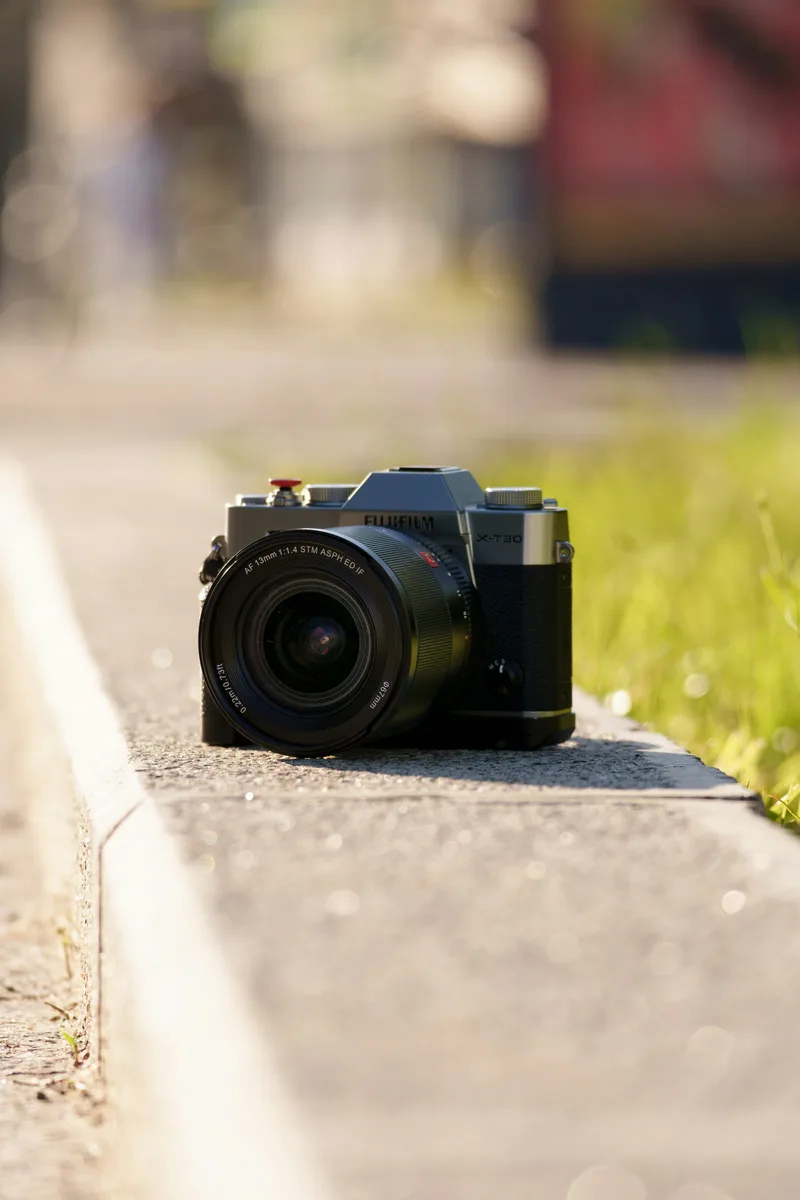 Recommended for Beginners
Mirrorless Camera
The current market standard — most new releases use this system
Pros
- check_circleSmaller and lighter body compared to DSLR
- check_circlePreview actual exposure and color in the viewfinder/LCD
- check_circleLatest AI AF — recognizes eyes, faces, animals, vehicles
- check_circleExcellent 4K video, great for YouTube and Reels
- check_circleCanon RF / Sony E / Nikon Z mounts — lens lineups growing fast
Cons
- remove_circleBattery drains faster than DSLR (carry a spare)
- remove_circleHigher new price than equivalent DSLR
Everyday, travel, portrait, landscape, video — suits almost every genre. If you're buying your first camera, go mirrorless.
Notable models
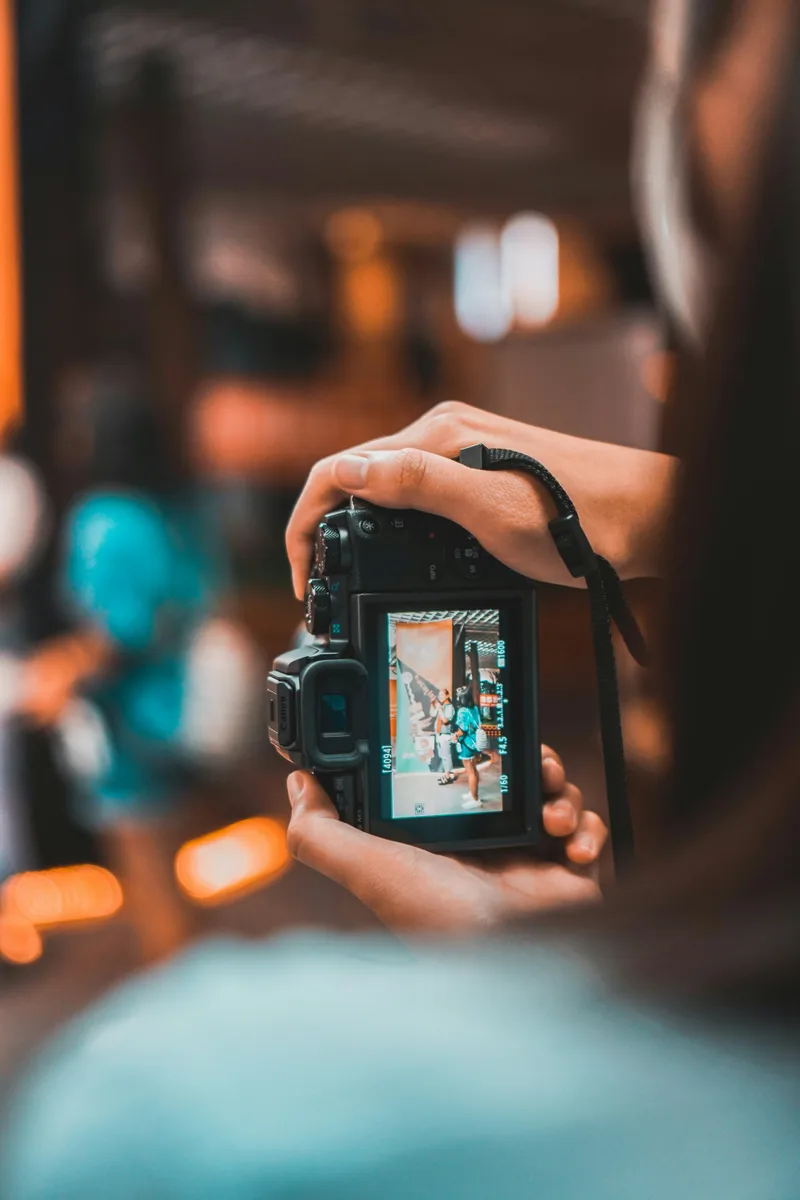
DSLR Camera
No new models being released — a budget entry option in the used market
Pros
- check_circleLong battery life — hundreds to 1,000+ shots per charge
- check_circleOptical viewfinder stays clear in bright sunlight
- check_circleWide and affordable used market for lenses and accessories
- check_circleDurable body construction
Cons
- remove_circleLarger and heavier body than mirrorless
- remove_circleCanon and Nikon have officially stopped developing new DSLR models
- remove_circleVideo performance lags behind mirrorless
- remove_circleOlder AF system — limited or no eye/face recognition
When you want to learn the basics cheaply via the used market. But consider switching to a mirrorless mount long-term.
Notable models
⚠️ All models above are discontinued. Purchase from used platforms.
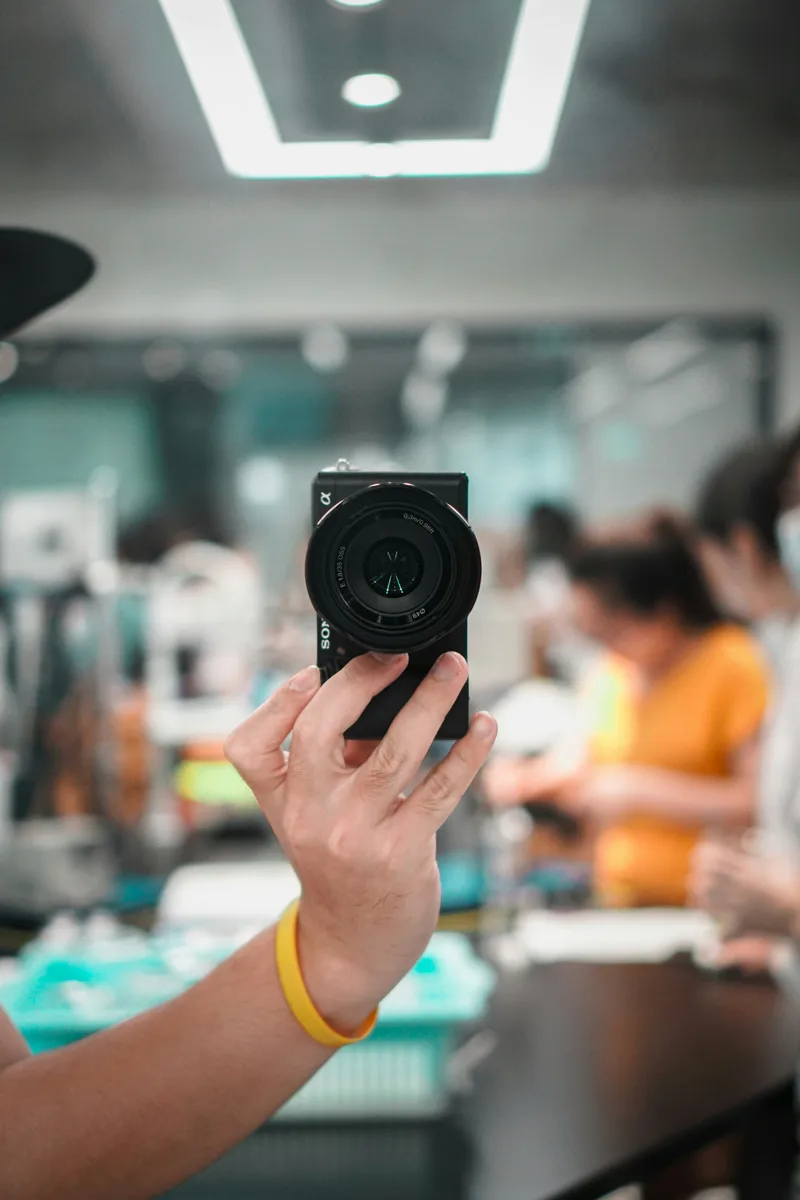
Compact Camera
All-in-one without lens swapping — between smartphone and dedicated camera
Pros
- check_circleFits in a shirt pocket or small pouch
- check_circleNo lens swapping needed — ready to shoot the moment you turn it on
- check_circleNoticeably better image quality than smartphone with a larger sensor
- check_circleHigh-end compacts like the Ricoh GR series are favored by professionals too
Cons
- remove_circleNo lens swapping limits your angle of view
- remove_circleLess convenient for instant sharing than a smartphone
- remove_circleRegular compacts have small sensors with limited low-light performance
Daily records and travel, or genres where a small camera is advantageous like street photography.
Notable models
Why Does Sensor Size Matter?
The sensor is the core component that captures light. A larger area means more light gathered — resulting in less noise in dark environments and naturally stronger background blur (bokeh).
Full-Frame
36×24mm
APS-C
23.5×15.6mm
Micro Four Thirds
17.3×13mm
1-inch
13.2×8.8mm
* Area ratio relative to full-frame (864mm²). Actual sizes vary slightly by manufacturer and model. Source: CIPA standards / Sony·Canon·Nikon official spec sheets (2024)
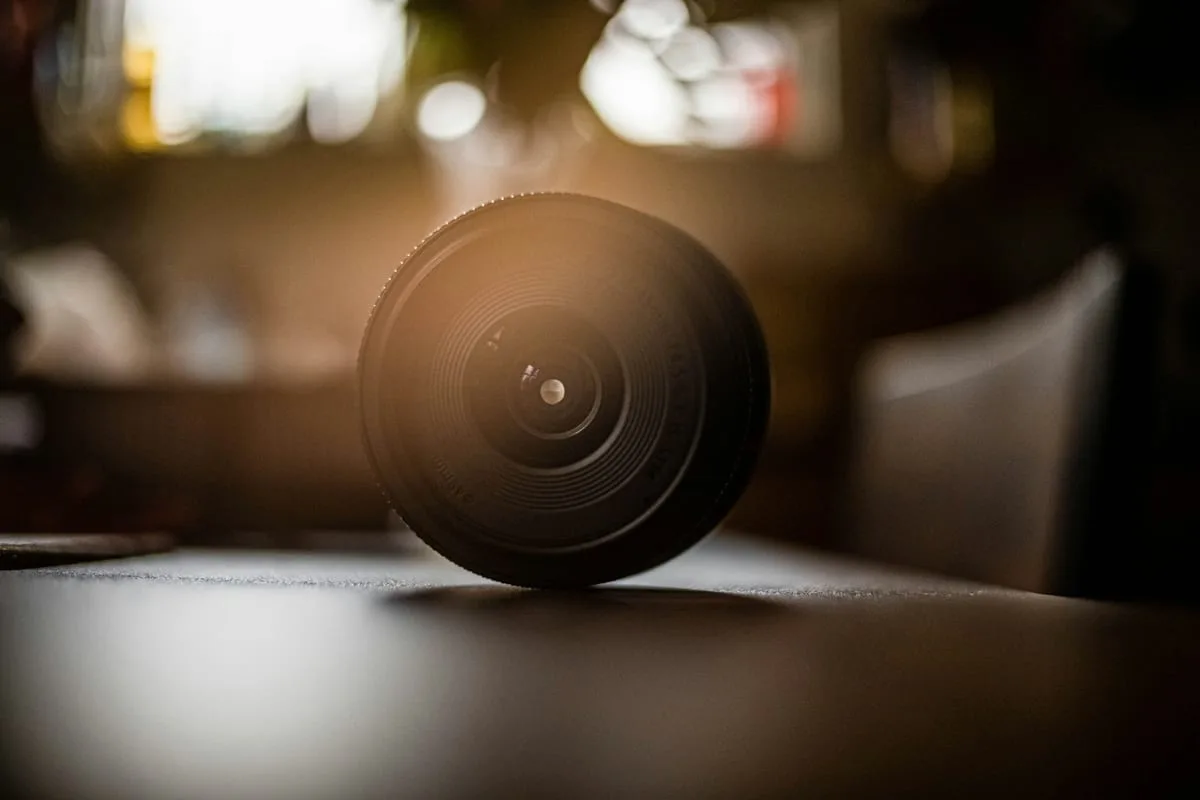
Natural bokeh from a large sensor + bright lens — the difference from smartphone AI compositing
What's Right for My Situation?
I want to feel the difference from my smartphone
→ APS-C mirrorless entry body + 50mm f/1.8 lens — the bokeh difference is immediate
I want something as light as possible to carry
→ Compact (Ricoh GR·Sony ZV-1) or smallest mirrorless body
My budget is limited
→ Used DSLR entry body (Canon 850D·Nikon D7500) — buy as a set with a lens
I want to shoot photos and also make YouTube/Reels
→ Mirrorless (Sony ZV-E10 II · Fujifilm X-S20) — excellent vertical video and AF
I want to shoot with a film look
→ Fujifilm X series — Film Simulation modes differentiate it from other brands
I want to learn properly and upgrade later
→ APS-C mirrorless entry body — keep lenses as you upgrade bodies on the same mount
TODAY'S MISSION
Shoot the same scene with your smartphone and camera and compare
If you have a camera — place an object near a window and shoot the same framing with both your phone and camera. Can you feel the difference in background blur, color, and noise?
If you don't have a camera — toggle Portrait Mode ON/OFF on your smartphone and compare to see the difference in bokeh compositing.
BeginCAMERA
Take a photo with whatever camera you have
No matter what camera you shoot with, AI analyzes composition, lighting, and lens. See directly how your camera's characteristics show up in photos.
add_a_photoAnalyze PhotoUp Next
Exposure Triangle
Once you've picked a camera, next is exposure control — shutter, aperture, ISO
Buying Guide
Step-by-step real buying guide matched to your budget
Getting the Most from Smartphone Camera
Starting without a camera? Pro mode and night mode done right
NEXT
STEP 02 · Camera Basics
Last updated: April 2025 · Product info may change with market conditions
Photos: Unsplash (CC0) — Dima Solomin, Lisanto, Flaviu Costin