
Capturing Nature and Light —
Landscape Photography
The same location looks completely different when the light changes. Patience is the skill.
Have you wondered?
"Is it true that overcast and rainy days produce better landscape photos than sunny ones?"
It's true. Harsh midday sunlight creates strong, unflattering shadows. On overcast days, clouds act as a giant softbox, producing soft, even light. Just after rain, the air is clear and wet surfaces reflect light, making colors more vivid. The dramatic sky before and after a storm is a golden moment for landscape photography.
"Do you really need a spectacular location for great landscape photos?"
Not at all. A neighborhood park or back alley looks completely different during the golden hour (one hour around sunrise or sunset). Landscape photographer Michael Kenna revisited the same locations for decades. Study the light before the location.
What Makes Landscape Photography Compelling
Quietly waiting alone for the light — that time itself is part of landscape photography.
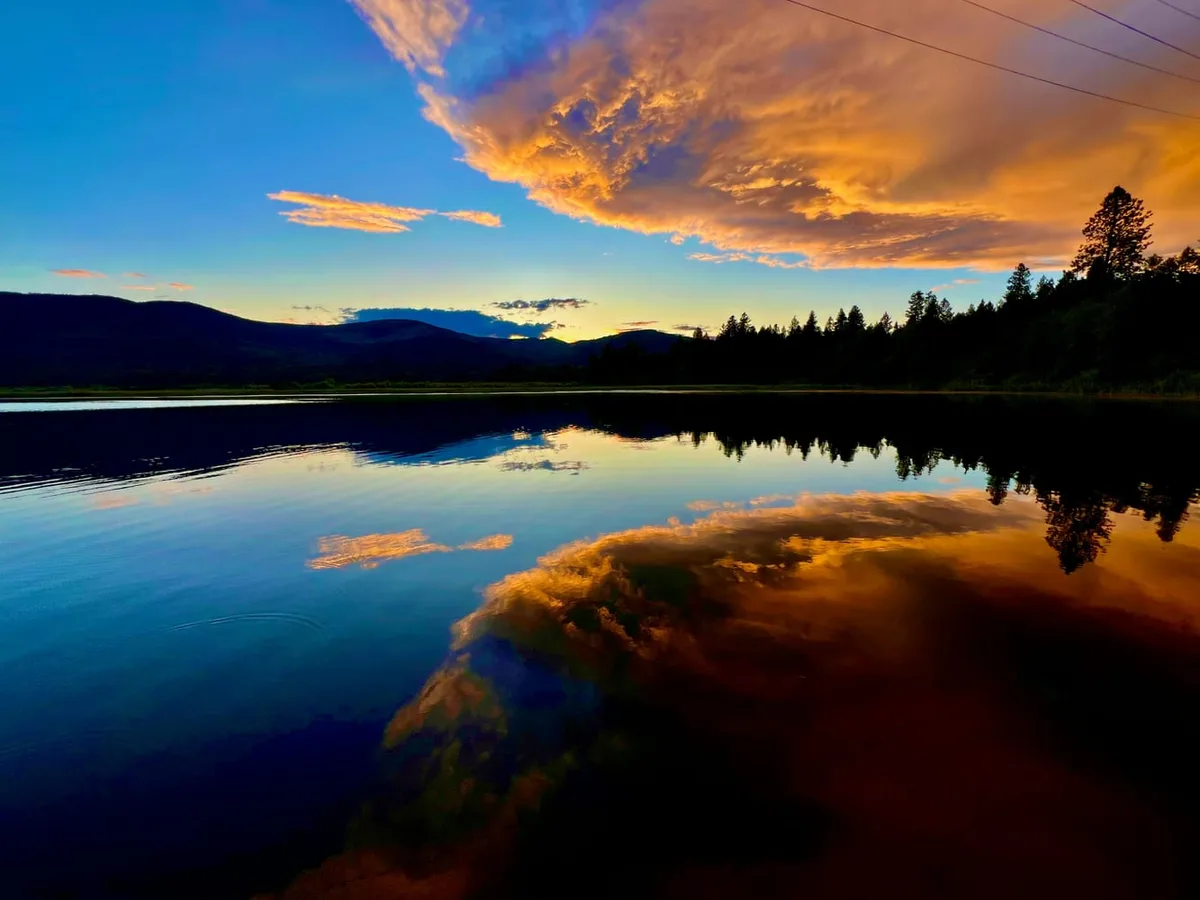
The Reward of Waiting
Arriving two hours before sunrise, catching the moment the light shifts. The single frame at the end of that wait makes everything worthwhile.
The Joy of Discovery
Combine a map app, weather app, and sunrise/sunset app to plan the perfect location and time.
Season and Weather as the Work
Shoot the same location in spring, summer, autumn, and winter — you get four completely different works.
Is This the Right Genre for You?
If 3 or more apply, landscape photography is a great fit.
You enjoy walking alone or being in nature
You can wake up early or stay out late for sunrise/sunset light
You find it interesting to observe changes in weather and light
You feel satisfied revisiting the same place to find it looking different
Carrying a tripod around doesn't bother you
Core Landscape Photography Techniques Summary
The three most important things — see the full techniques page below for details.
Chase the Golden Hour
One hour after sunrise, one hour before sunset. The lower the sun, the warmer the light and the longer the shadows. Even a familiar location transforms completely at this time of day.
Tripod + Long Exposure
Car light trails at night, flowing water, moving clouds — these can only be expressed with slow shutter speeds (1 second to tens of seconds). Impossible without a tripod.
Foreground · Midground · Background
Having elements close (foreground), in the middle (midground), and far (background) creates depth. Try using rocks or water at your feet as a foreground element.
See the Full Landscape Techniques Guide
Complete guide to golden hour, long exposure, and composition
Recommended Gear for Landscape Photography
Wide-angle lenses and tripods are the two essential tools of landscape photography.
16–35mm Wide-Angle Zoom
Wide angle is essential for conveying the grandeur of landscapes. A zoom covers foreground to background in one lens, offering great value.
Carbon Fiber Tripod
The key tool for long exposure and night photography. Lighter than aluminum with better vibration absorption. Portability matters in this genre.
ND Filter Set
Enables long exposure even in daylight. Needed to render flowing waterfalls or waves smoothly, or to capture cloud movement.
Check Tomorrow's Sunset Time and Visit a Nearby Park
- →Check tomorrow's sunset time in a weather app
- →Arrive at a nearby park, riverbank, or rooftop 30 minutes before sunset
- →Shoot 3+ frames with foreground (grass, rocks, railing) + background (sky) composition
- →Reshoot the same spot during blue hour (10–20 minutes after sunset)
- →Compare both time slots and upload to AI
More Content to Explore
Last updated: April 2026