
The World at 1 Centimeter —
Close-up & Macro Photography
See worlds invisible to the naked eye. A single flower or a water droplet becomes an entirely different universe.
Have you wondered?
"Why is it so hard to get focus in macro photography?"
The closer the subject, the shallower the depth of field. At 1:1 magnification, the in-focus range is only 1–2 mm. Photograph a flower and if you focus on the stamen, the petals immediately behind are already blurred. Solutions: ①stop down to f/8–f/16, or ②use focus stacking (compositing multiple shots). Manual focus is often more accurate than autofocus.
"Are there ways to shoot macro without a macro lens?"
Yes — three alternatives. ①Close-up filter: a magnifying glass that attaches to the front of the lens. Inexpensive macro effect. ②Extension tube: a metal ring between lens and body. Increases magnification without image quality loss. ③Reverse lens mounting: attach a regular lens backwards for extreme close-ups. Requires a mount adapter. Less convenient than a macro lens, but fine for beginner tests.
What Makes Close-up & Macro Photography Compelling
The amazement of seeing for the first time through a photo what you couldn't see with the naked eye.
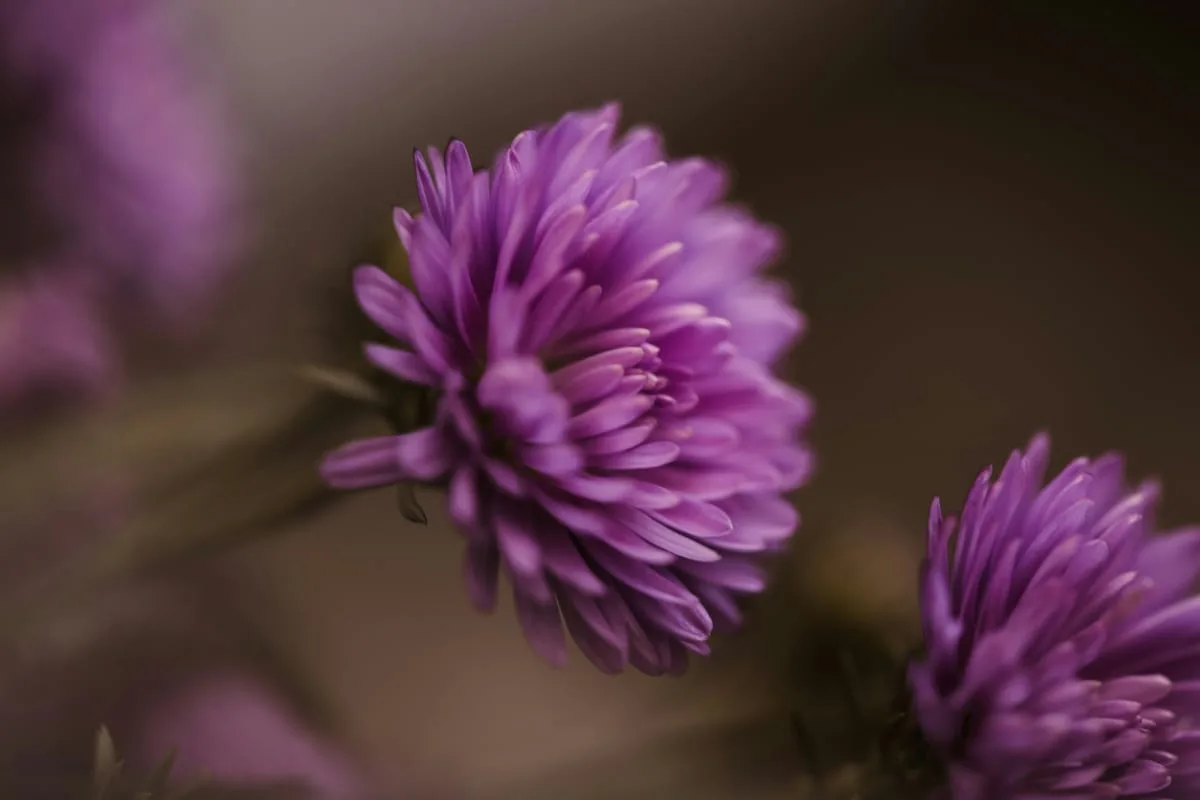
Discovering New Worlds
Pollen texture on a flower, an insect's eye, the reflected world inside a water droplet — things you could never see with the naked eye.
Shoot from Home
No special location needed. A single potted plant, a water droplet, or coffee foam makes an excellent subject.
Where Science Meets Art
You discover that natural structures and patterns are artistically beautiful. It connects naturally with entomology and botany.
Is This the Right Genre for You?
If 3 or more apply, close-up and macro photography is a great fit.
You like to focus on small things and observe them closely
You find the detailed structures of flowers, insects, and natural objects beautiful
You can find photographic subjects in small spaces like indoors or a garden
You're patient and don't mind trying the same subject multiple times
You find technical challenges like depth control and lighting interesting
Core Close-up & Macro Techniques
Fundamentally different rules apply compared to regular photography.
Tripod + Live View Manual Focus
Even 1 mm of hand movement can put the subject out of focus. Fix the camera on a tripod and use live view (screen magnification) to maximize focus precision. Use a remote shutter or self-timer to eliminate shutter vibration.
Stop Down to f/8–f/16
At f/2.8 wide open, the depth of field is too shallow — only a single point is sharp. f/8–f/11 strikes the best balance between sharpness and depth. Beyond f/16, diffraction actually reduces sharpness.
Lighting Determines the Result
Natural diffused light (outdoors on an overcast day) is best. Indoors, a ring flash or LED ring light creates even light that minimizes shadows. A white paper reflector to fill the dark side is also effective.
Keep the Background Simple
The smaller and more detailed the subject, the more a complex background diverts attention. Use black or white paper, or a solid cloth as a background, or open the aperture to blur it.
expand_moreLearn more — Focus Stacking
Focus stacking is a technique of shooting multiple frames with slightly shifted focus positions, then compositing the sharpest part of each frame. Even at 1:1 magnification, the entire subject can appear sharp.
- Shooting: Fix the camera on a tripod, then shift focus slightly from front to back, shooting 10–30 frames. Calm indoor conditions are ideal.
- Compositing Software: Helicon Focus (paid), Zerene Stacker (paid), or Photoshop's built-in Auto-Blend Layers.
- Result: A photo with the entire subject completely sharp — impossible to achieve in a single exposure.
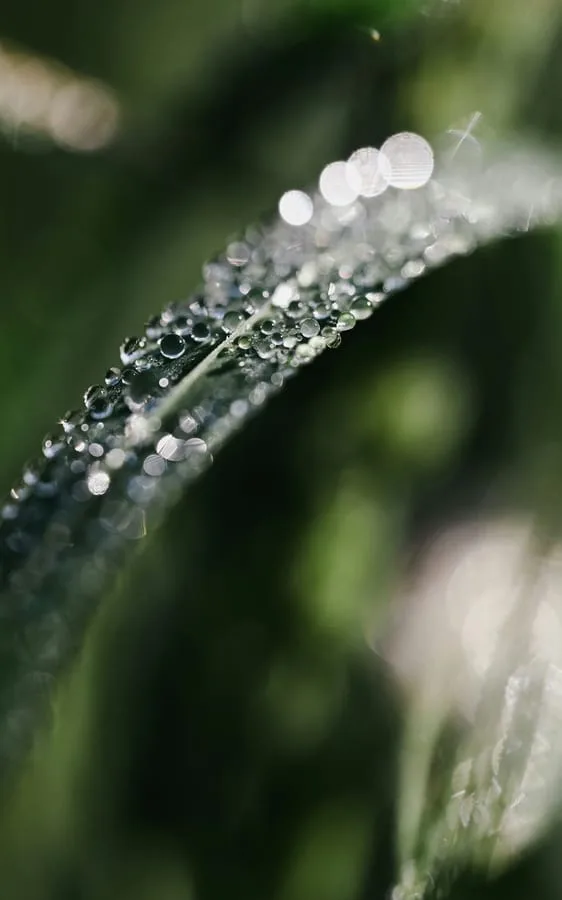
Recommended Gear for Close-up & Macro
Start with extension tubes at low cost, then upgrade to a dedicated macro lens when confident.
Extension Tubes + Existing Lens
A metal ring between lens and body that reduces minimum focus distance. No image quality loss, great value — perfect for testing macro before committing.
100mm Macro Lens (1:1)
The working distance from the subject (~30cm) is enough for skittish subjects like insects. Also doubles as a portrait and product lens.
LED Ring Light or Ring Flash
Mounts on the front of the lens to create shadow-free, even lighting. An essential tool to replace natural light in indoor macro shooting.
Try Close-up Shots with Flowers or Kitchen Subjects on Your Smartphone
- →Choose one: potted flower, herbs, coffee foam, or salt crystals
- →Hold your smartphone as close as possible and tap the subject to focus
- →Set up white paper behind the subject to simplify the background
- →Try portrait mode on your smartphone for background blur
- →Upload your sharpest frame to AI for composition and focus analysis
More Content to Explore
Last updated: April 2026