
Capturing People —
Portrait Photography
A single expression, a single glance — that's all it takes to complete a story. The most moving genre of photography.
Have you wondered?
"Can I photograph strangers, or should I only photograph people I know?"
The two require completely different skills. With people you know, you draw out natural expressions through comfort and trust. With strangers, capturing the brief moment is key. Starting with family and friends is the practical approach — you can practice directing. Street portraiture is legally permitted in public spaces, but asking for consent is best to avoid right-to-image disputes.
"Is it true that portrait photography requires a good camera?"
Not at all. 80% of portrait quality comes from the direction and quality of light and communication with the subject. With a used 50mm f/1.8 and natural light, magazine-quality portrait photos are achievable. Study light before buying a camera.
What Makes Portrait Photography Compelling
The oldest genre of photography — and still the most widely photographed.
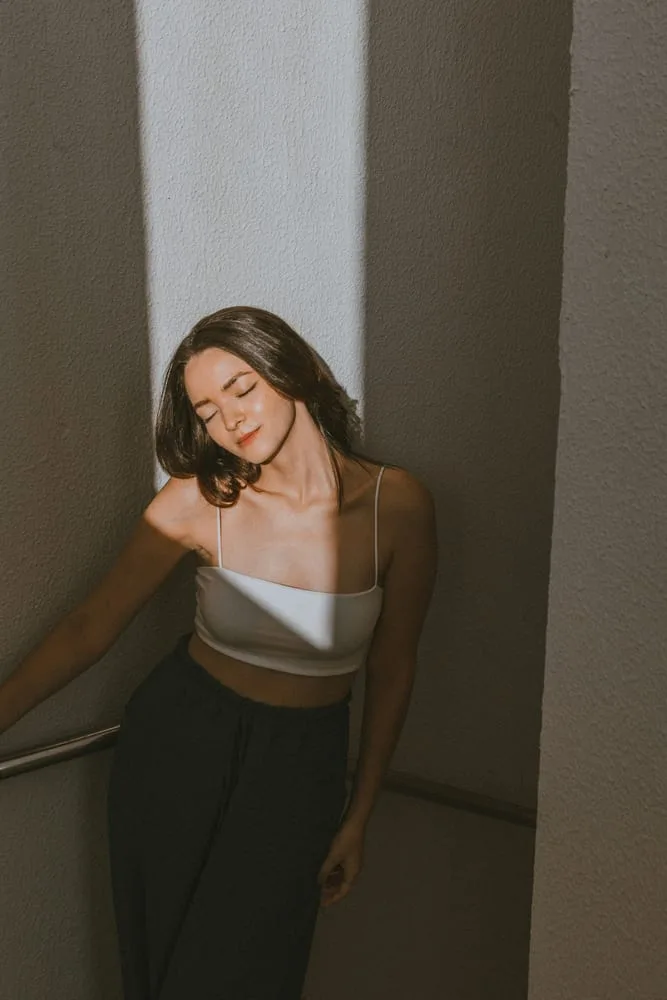
Recording Emotions
A person's expression, gaze, hands — a story stronger than words. Even decades later, the emotion of that moment is conveyed intact.
Light Changes Everything
The same person looks completely different just by changing the light direction. The better you understand light, the wider your creative range.
Connection Is the Skill
The ability to make the person in front of your camera feel at ease. This is the core skill of a portrait photographer.
Is This the Right Genre for You?
If 3 or more apply, portrait photography is a great fit.
You're very interested in people's expressions and emotions
You find talking to people easy
You enjoy observing how the light changes in a familiar space
You can say 'stand like this' to a subject
When walking alone, faces catch your eye more than unfamiliar scenery
Conversely, if you prefer walking alone and observing nature or buildings, landscape and architecture genres may suit you better. Genre connects to personality — no need to force it.
Core Portrait Techniques Summary
For full details, see the techniques page — here are the three most important points.
Focus on the Eyes
In portrait photography, focus must be on the eyes — specifically the near-side eye's iris. If the eye focus is off, even the best composition is a failed photo.
Window Natural Light
The easiest and most beautiful portrait light. Position the subject 1–2m from the window, with the window to the side. Choose a time when diffused — not direct — sunlight enters.
Distance from the Background
Background blur (bokeh) depends as much on the distance between subject and background as on the lens. Separate the subject 2–3 meters or more from the background, and bokeh will come alive even with a budget lens.
See the Full Portrait Techniques Guide
Complete guide to light, bokeh, focus, and posing direction
Recommended Gear for Portrait Photography
Lenses have a bigger impact on results than the camera body. Invest in lenses first.
50mm f/1.8 Prime
The most affordable way to get portrait-optimized bokeh and field of view. The natural background blur difference from a smartphone is immediately apparent.
85mm f/1.8 Prime
The standard portrait focal length. Captures faces naturally without perspective distortion. Shooting at 2m+ helps subjects feel at ease.
85mm f/1.4 Prime
The f/1.4 aperture gives stronger bokeh and better low-light performance. Choose this when scaling to commercial portraits and weddings.
Shoot a Family Member or Friend for 5 Minutes by the Window
- →Seat a family member or friend by the window and focus on their eyes
- →Shoot 3 frames looking at the camera, 3 frames looking into the distance
- →Separate the subject 2m+ from the background to compare bokeh
- →Check light, composition, and focus feedback with AI analysis
More Content to Explore
Last updated: April 2026